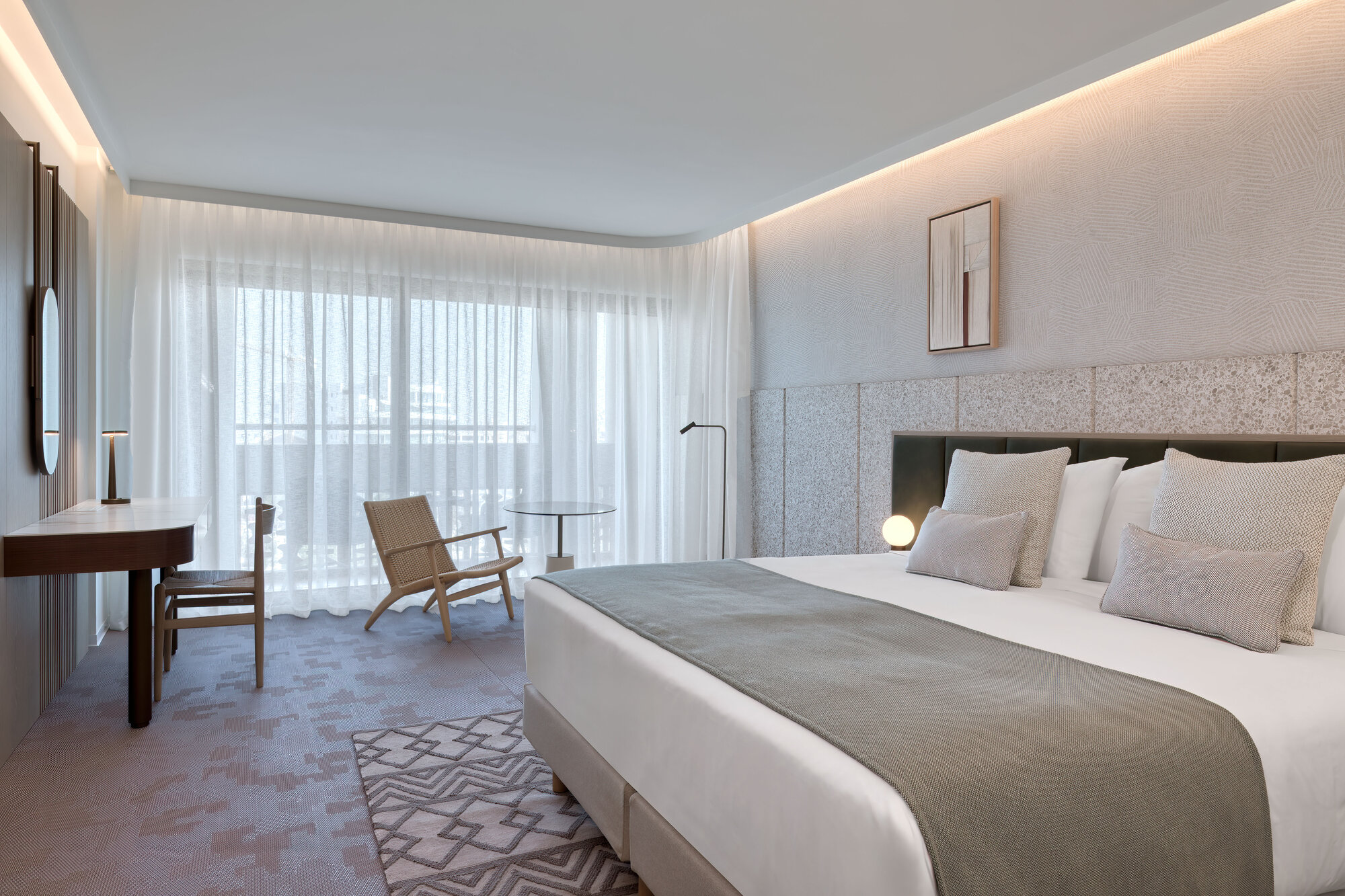
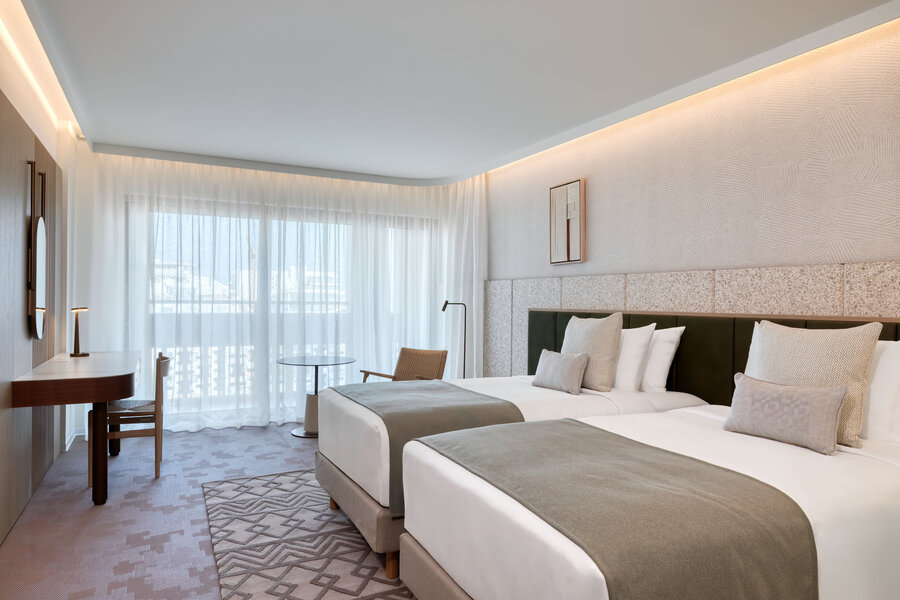
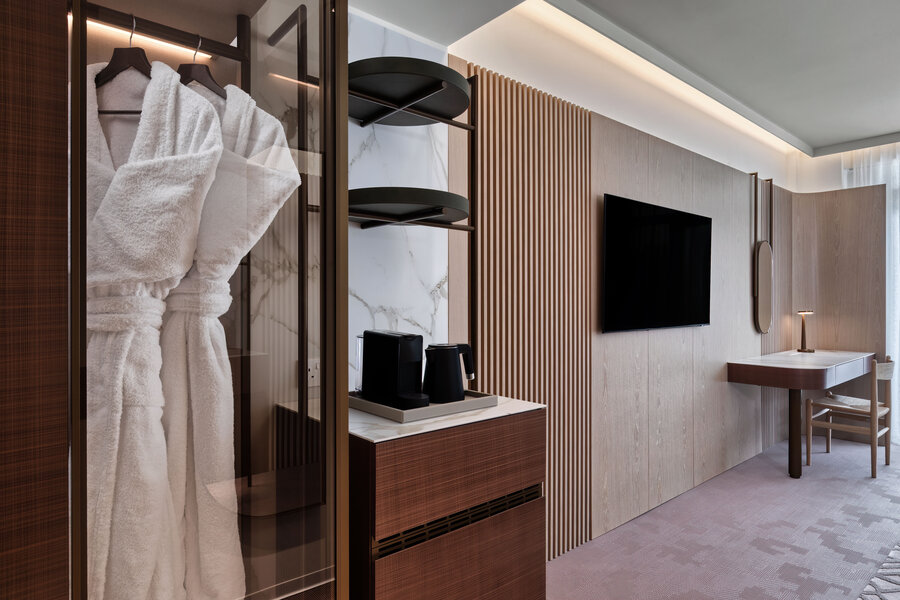
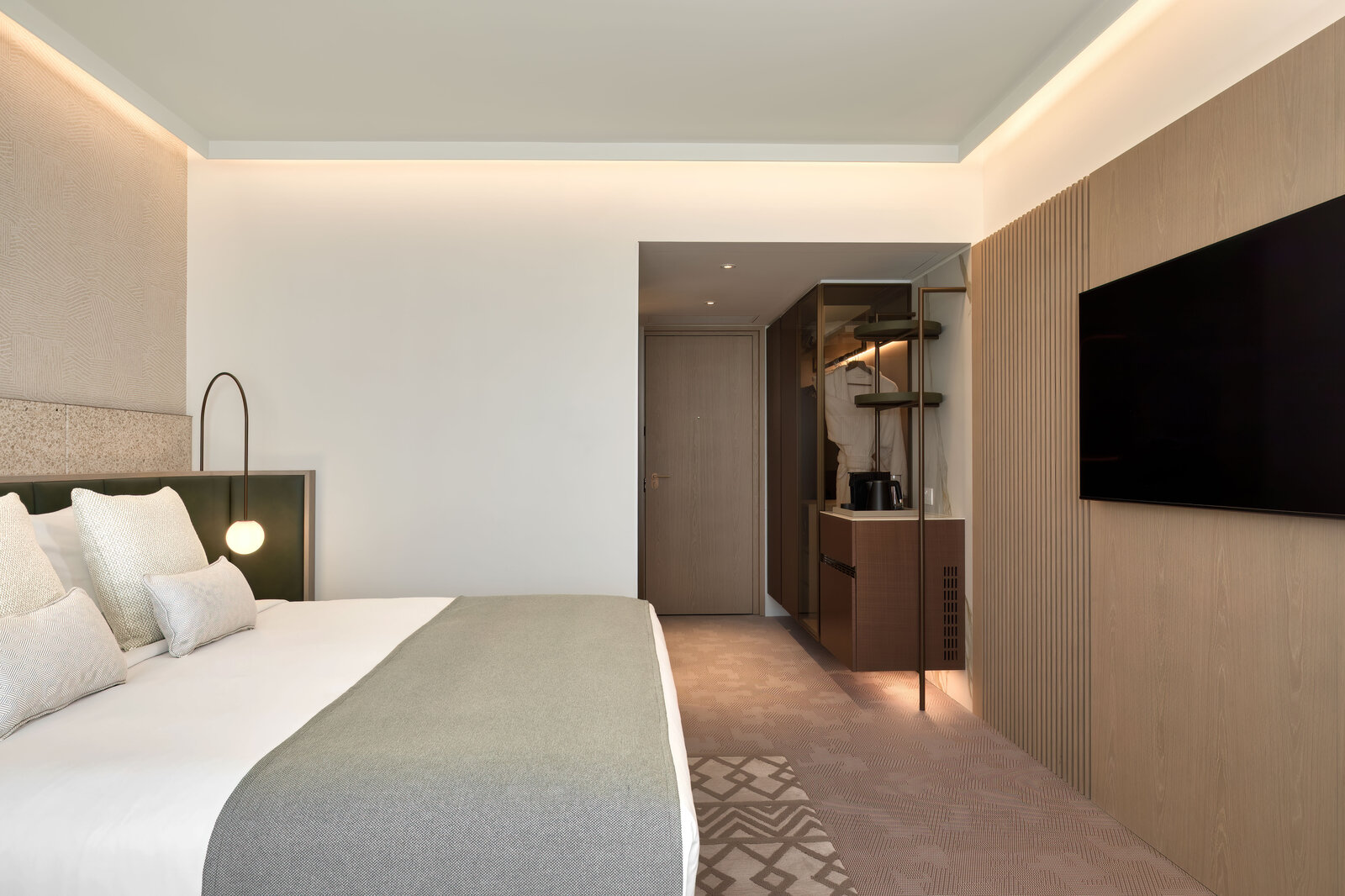
Flooring plays a significant role in this equation. Every footstep, rolling suitcase, office chair or moving trolley generates impact noise that travels throughout a building. In busy workplaces, hotels, healthcare environments and public spaces, these sounds accumulate over the course of the day, creating distractions that affect both occupants and visitors.
Bolon acoustic flooring is designed to reduce impact sound before it spreads between floors. The result is a calmer atmosphere that supports concentration, conversation and wellbeing. Reception areas feel more welcoming, hotel corridors become quieter and office environments encourage focus without sacrificing openness or collaboration. The signature woven surfaces introduce warmth and texture while helping soften the acoustic experience. Designers increasingly consider sound alongside colour, light and materiality, recognising that comfort is created through a combination of visual and physical qualities.
Bolon's acoustic collections have been developed with this in mind. Featuring an integrated acoustic backing that reduces impact sound between floors by up to 21 dB, they support projects where performance and design carry equal importance. Available across a wide range of colours and woven patterns, the collections allow architects to create visually cohesive interiors while improving everyday comfort.