INterview

Building Bolon’s Circular Future

Product, circularity and climate have been the three pillars of Bolon’s sustainability strategy since 2019. As Head of Sustainability,  Håkan Nordin drives the journey through data, innovation and a long-term commitment to circularity. Today, recycled materials make  up an average of 68% of Bolon’s products, with an  ambition to reach 90% by 2030.

“We want to develop products using fossil-free, renewable and recycled materials while maintaining the performance and durability they are known for. As an industrial product designed to last for many years, our flooring places high demands on the materials we use. The challenge is finding alternatives that meet these demands without limiting design or functionality,” says Håkan Nordin, Head of Sustainability at Bolon.

A major milestone came in 2024, when the vinyl in Bolon’s weave became completely
fossil-free, following the replacement of fossil-based raw materials with renewable alternatives, including materials derived from waste.

What are the most common misconceptions about vinyl flooring and sustainability?

“Many people still associate vinyl with harmful chemicals and environmental problems, largely based on how the industry operated in the 1990s. But the industry has changed significantly since then. Vinyl has properties that make it well suited to long-term use, particularly its durability and resistance to wear. Bolon's vinyl is also now completely fossil-free, challenging some of the
assumptions people still have about the material.”

What is currently the biggest sustainability challenge in the manufacturing process?

“Finding renewable alternatives to the plasticisers we use is one of our biggest challenges, and the next major step for us. Alternatives exist, but they need to meet the same high standards of quality and performance as our current materials. We're also working to increase the recycled content in our weave. While the backing already contains 100% recycled chalk, our next step is to introduce recycled chalk into the weave itself. The challenge is finding the right material combinations to maintain the properties of the finished product while reducing our reliance on virgin raw materials,” says Håkan.

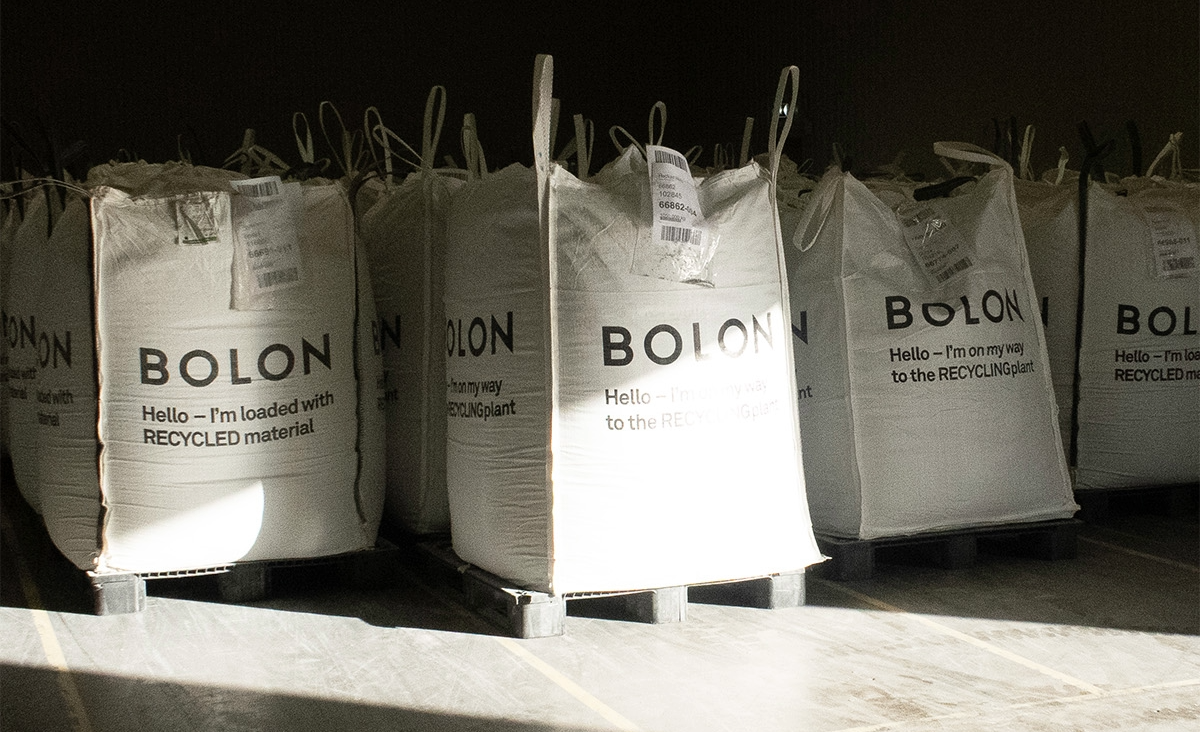
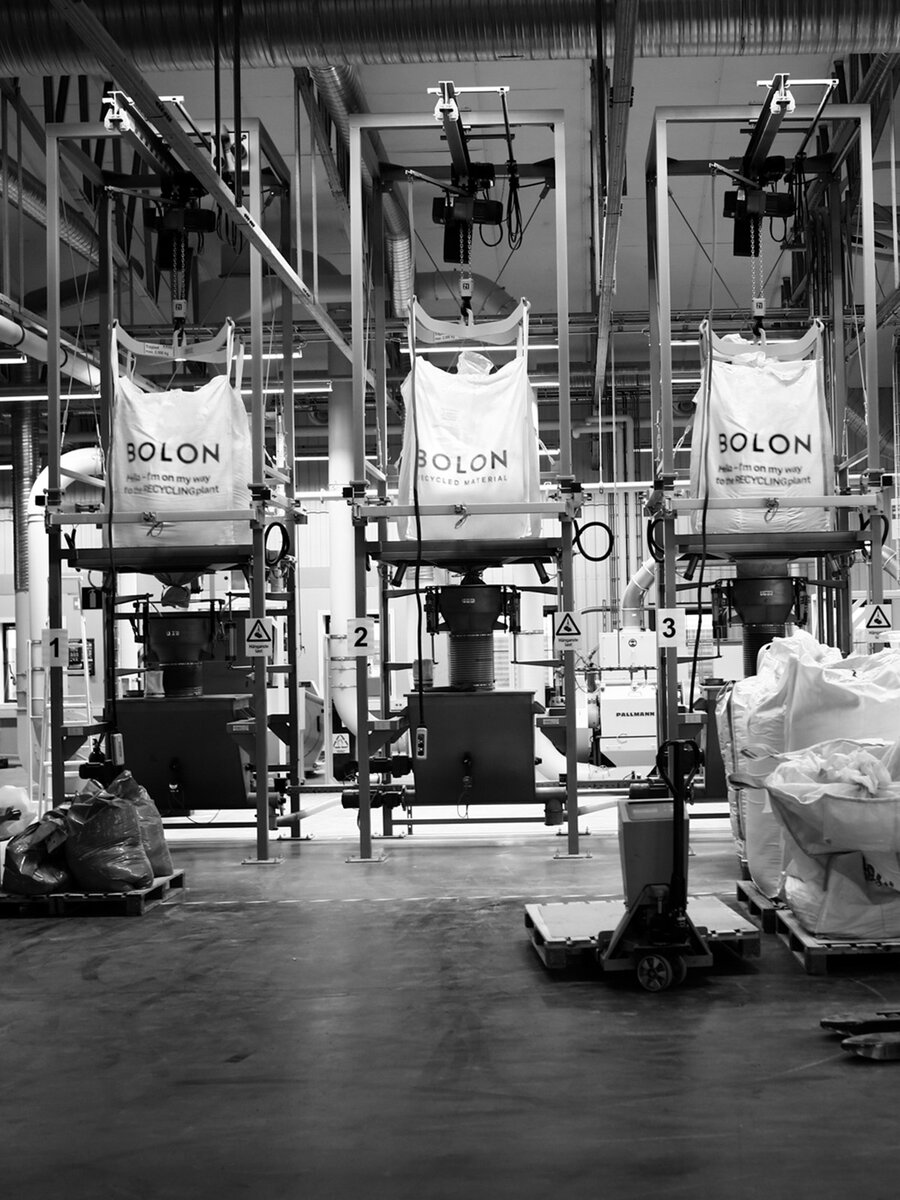
In January, Bolon launched Back2Bolon, a take-back programme that allows customers to return
old Bolon flooring and rugs to be recycled into new products. The initiative is an important step towards keeping materials in circulation for longer.


What have you learned from the Back2Bolon programme?

“One important realisation has been just how complex the logistics become when taking back a product that may have been installed 15 years ago. At the same time, the programme has shown us the value of recovering materials and how much of them can be recycled and used again. I also see the need for more industry-wide solutions for collecting and recycling flooring across Europe. Circularity isn't something one company can achieve on its own. It requires collaboration across the entire value chain.

By 2030, Bolon aims to achieve an average of 90% circular materials across all product groups,
including recycled and bio-based materials and expand its global take-back system to cover all flooring types.”

What could fundamentally change the way we manufacture flooring in the future?

“One important development would be moving away from using adhesives when installing the flooring. Alternative installation methods would make it much easier to recover and recycle materials when a floor reaches the end of its life. Looking further ahead, I'd like to see us manufacture design flooring with a higher proportion of waste materials, potentially over 90%. It's an exciting challenge, but we need to find the right materials and technologies to maintain both quality and design.” 

Bolon was founded on the idea of creating products from waste. How does that heritage influence your sustainability work today?

“In many ways, it's part of our DNA. We've always aimed to stay one step ahead, and that mindset continues to shape our product development. A big part of our progress comes from having forward-thinking owners in Annica and Marie, who are genuinely committed to driving change. There's a clear ambition to keep doing more.” 

What's one thing people might not know about Bolon's approach to circularity?

“It's not enough to simply increase the proportion of recycled materials in a product. We also need to make sure those materials can be recycled again when the flooring reaches the end of its life.
Our ambition is for our flooring to go through up to ten cycles of use and recycling, potentially
keeping the same material in circulation for more than 100 years. That's what creating a truly
circular system means to us.
”


Related stories