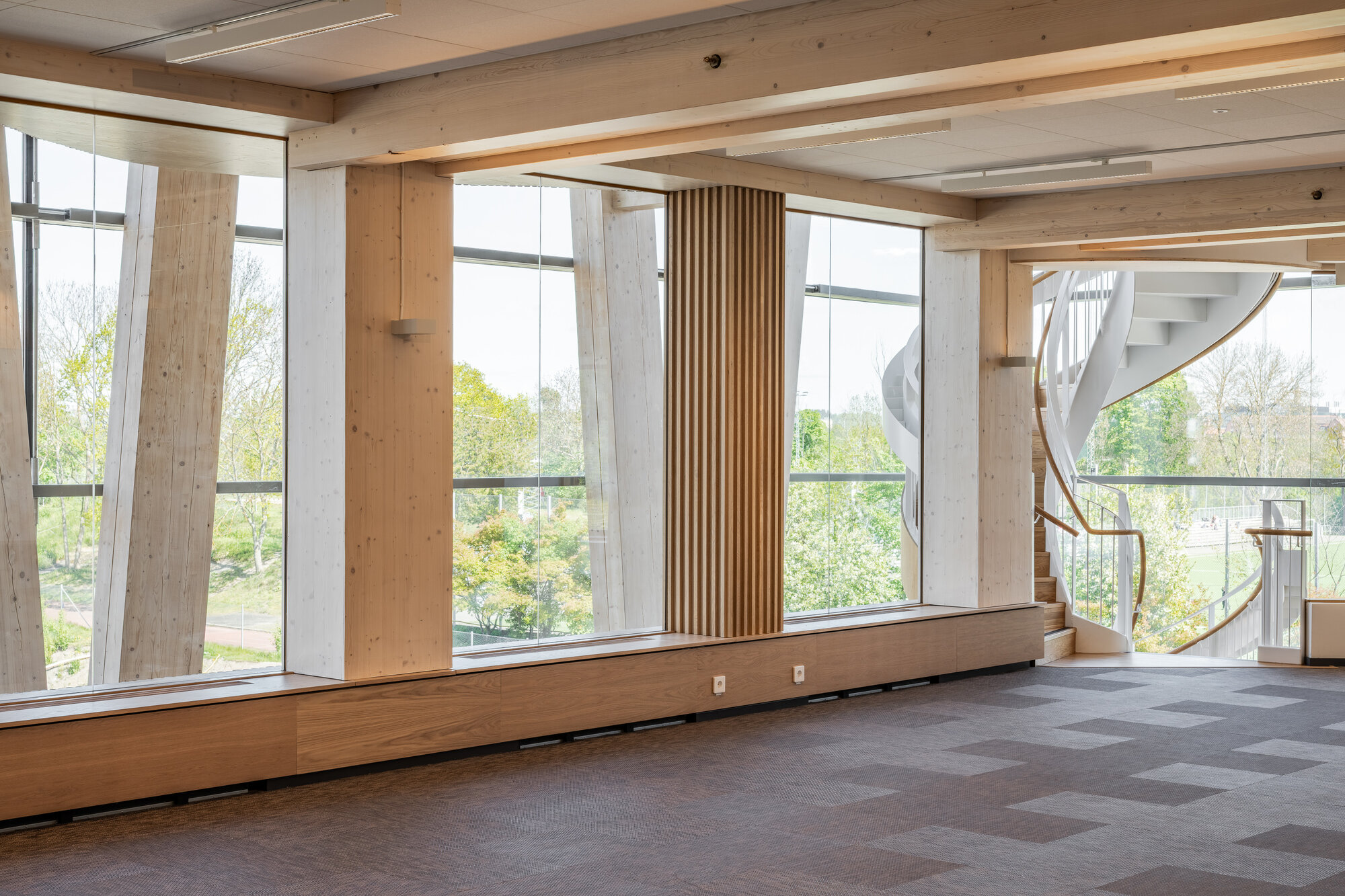
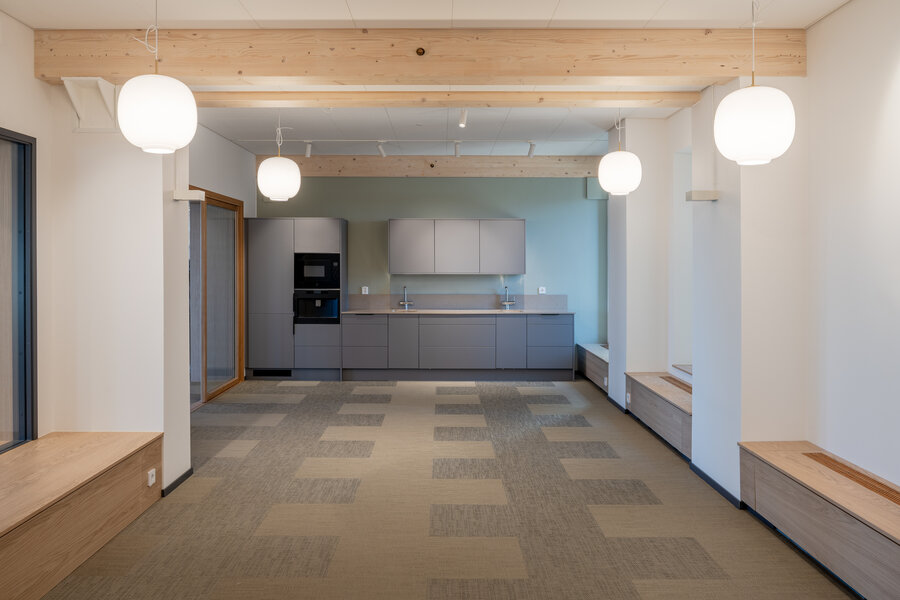
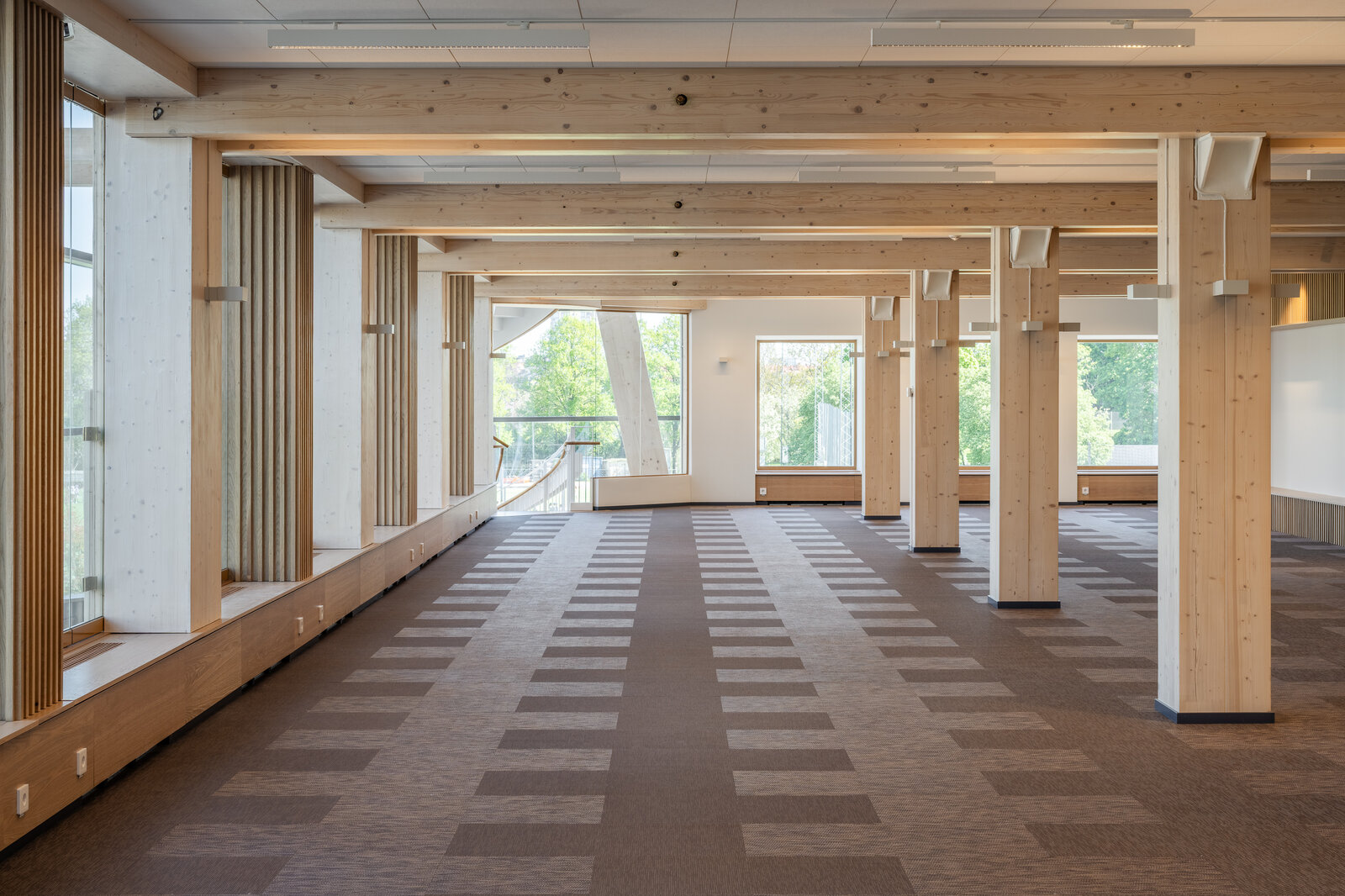
As sustainability expectations continue to evolve, architects and designers are looking beyond individual products to understand the complete lifecycle of the materials they choose. Every flooring specification shapes a project's environmental footprint, maintenance strategy and long-term performance meaning material selection influences far more than the appearance of a space. Equally important is understanding how a product is made. Manufacturing methods, energy sources, recycled content and responsible material sourcing all contribute to a flooring solution's carbon footprint. Transparency through Environmental Product Declarations and verified certifications provides valuable insight, helping specifiers make informed decisions throughout the design process.
Bolon's woven vinyl flooring delivers these qualities through a material developed for demanding commercial interiors, produced in Sweden using renewable electricity and a growing share of recycled content. Circularity is also reshaping the way commercial interiors are designed. Products created with recycling in mind can continue their journey long after their first installation. Bolon's Take Back programme supports this approach by enabling used flooring to become part of future production, extending the value of materials through circular design principles.
Thoughtful specification is rarely driven by a single metric. It grows from a broader understanding of materials, manufacturing and lifecycle performance. Flooring designed to last, produced with transparency and prepared for future reuse contributes to interiors that support both architectural ambition and long-term responsibility.