INterview

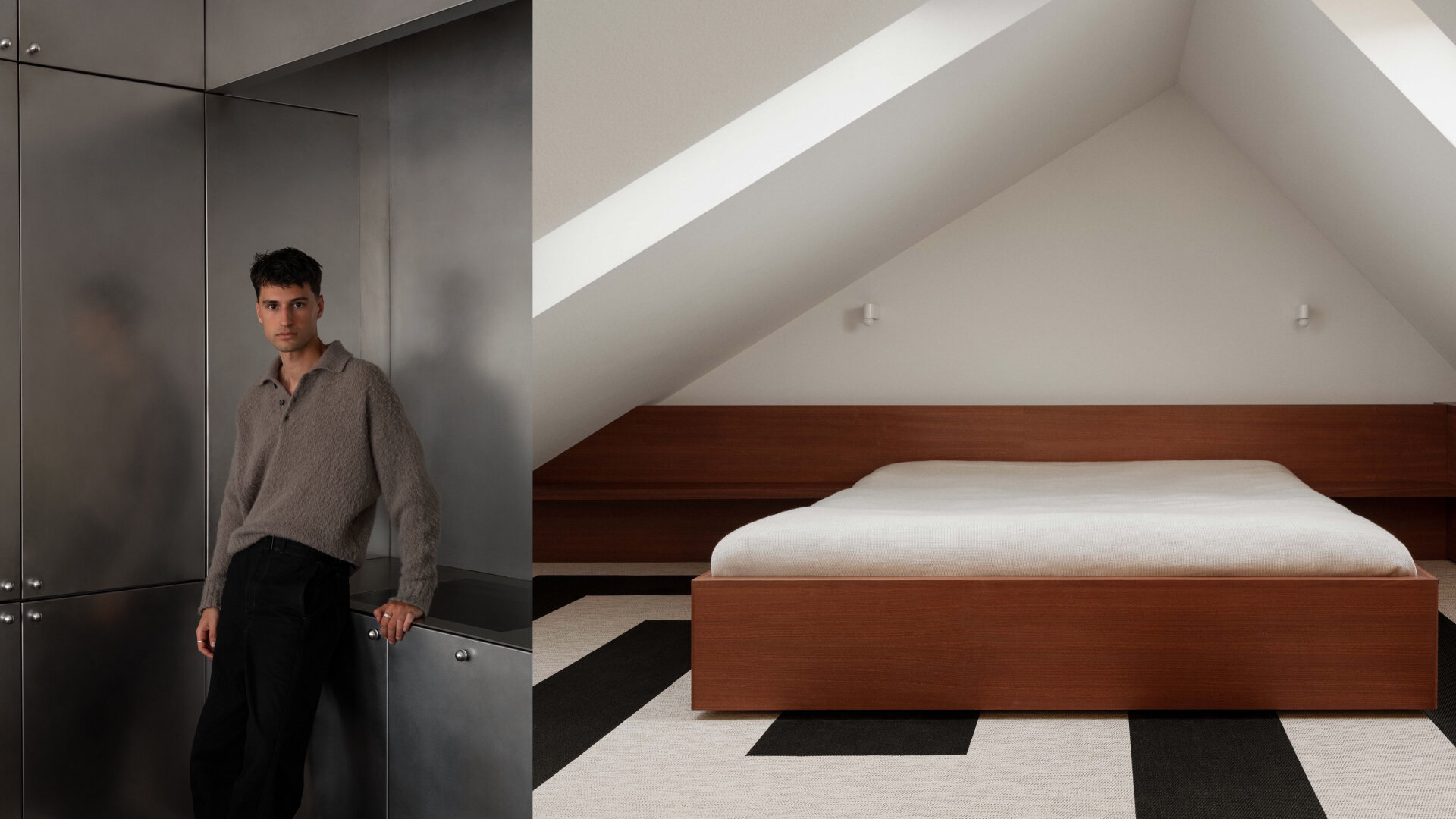
Meet interior architect Daniel Kutlesovski

Minimalism is having a moment, again. Echoing the 1990s, shaped by figures like architect John Pawson and the sleek fashion of Calvin Klein, today’s expression feels less about perfection and more about intention. Copenhagen-based architect Daniel Kutlesovski belongs to a new generation redefining minimalism, where material and spatial experience take centre stage. His work moves effortlessly between private homes, retail spaces and offices.

Bolon: What does minimalism mean to you today, beyond aesthetics?

DK: Minimalism for me isn’t really something I consciously aim for; it’s more something that emerges as I work. I don’t start a project thinking ”let’s make this minimal”. Instead, I focus on what really matters, what the core idea is, and what people will actually remember. Maybe that is minimalism in a way, but I don’t see it as stripping things down to something polished or perfect. I’m more interested in leaving a bit of tension or imperfection, something that gives it character. A lot of what gets called minimal today feels very clean and controlled, but I think it becomes more meaningful when there’s a slight twist through a texture or an unexpected edge.


Minimalism for me isn’t really something  I consciously aim for; it’s more something that emerges as I work

Bolon: What lessons from 90s minimalism are still relevant in contemporary architecture?

DK: There are a lot of projects from the 90s that still feel relevant today. Not just because of their minimal look but because of how they are shaped to create a strong spatial impact. When you look past the aesthetic, the experience itself stands out. It goes beyond materials or furniture - even though those support it. I think that’s what makes those projects timeless, the ability to remove the unnecessary and focus on space as the main ingredient. In retail, for example, the products often provide enough detail on their own, while in residential projects, function naturally shapes the design.

Another lasting lesson is the sense of logic and control. It wasn’t invented with 90s minimalism, but it helped redefine it, bringing clarity and structure in a way that still feels relevant today.

Bolon: What does your process look like?

DK: My process tends to follow the same overall approach (mostly), regardless of the project. It always starts with a conversation to understand how the client thinks and feels about it. You can learn a lot from how someone talks about a project, whether they want to be closely involved, prefer to step back, want something grand, or something more understated. That early stage is probably the most important for me. It sets the direction and inspires everything that follows. When I move into creative phases, I focus on materials and the space itself. Imagining how different areas will be experienced and gradually building the project's identity.
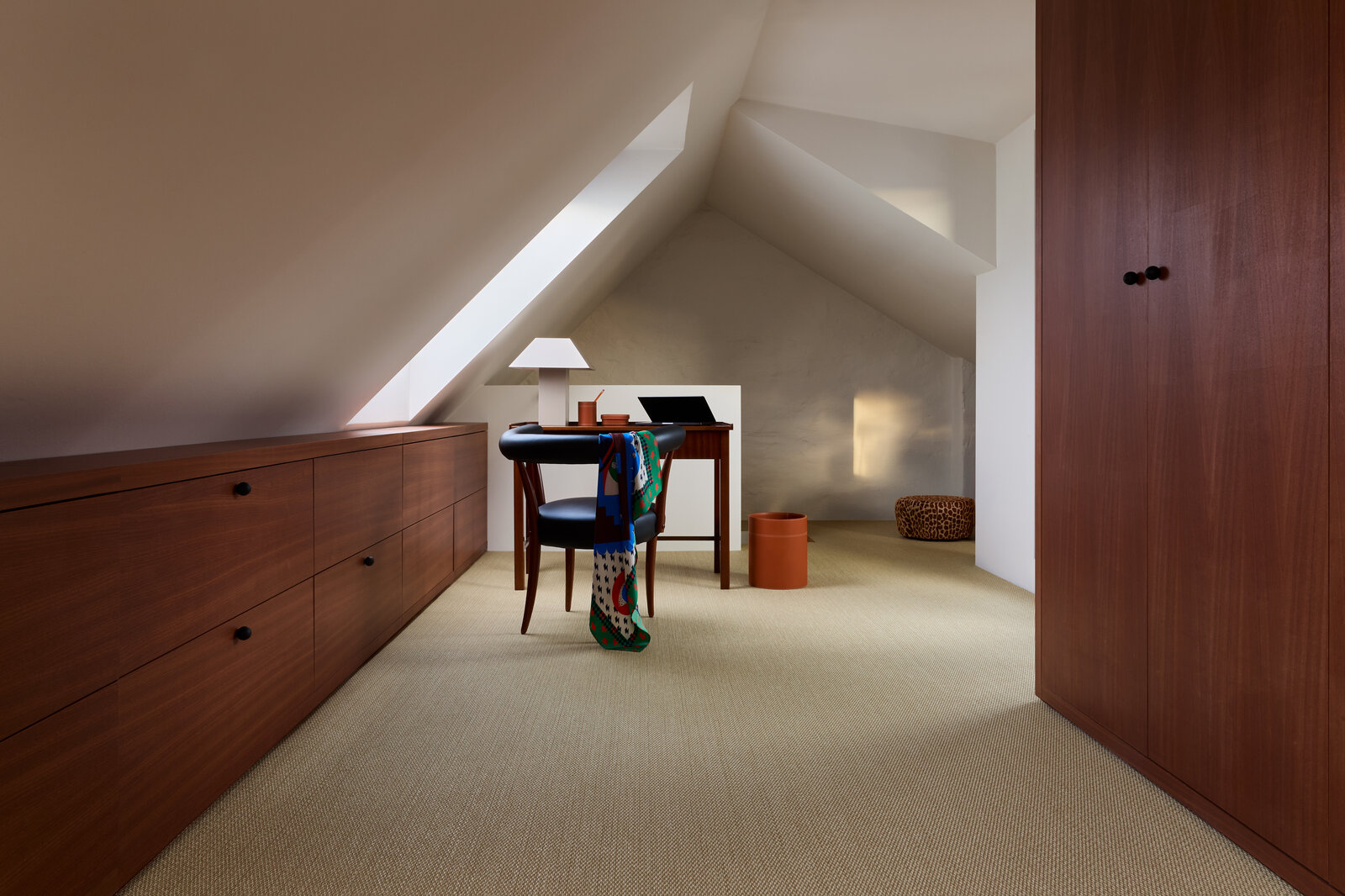
 

Bolon: How do materials impact a minimalist interior?

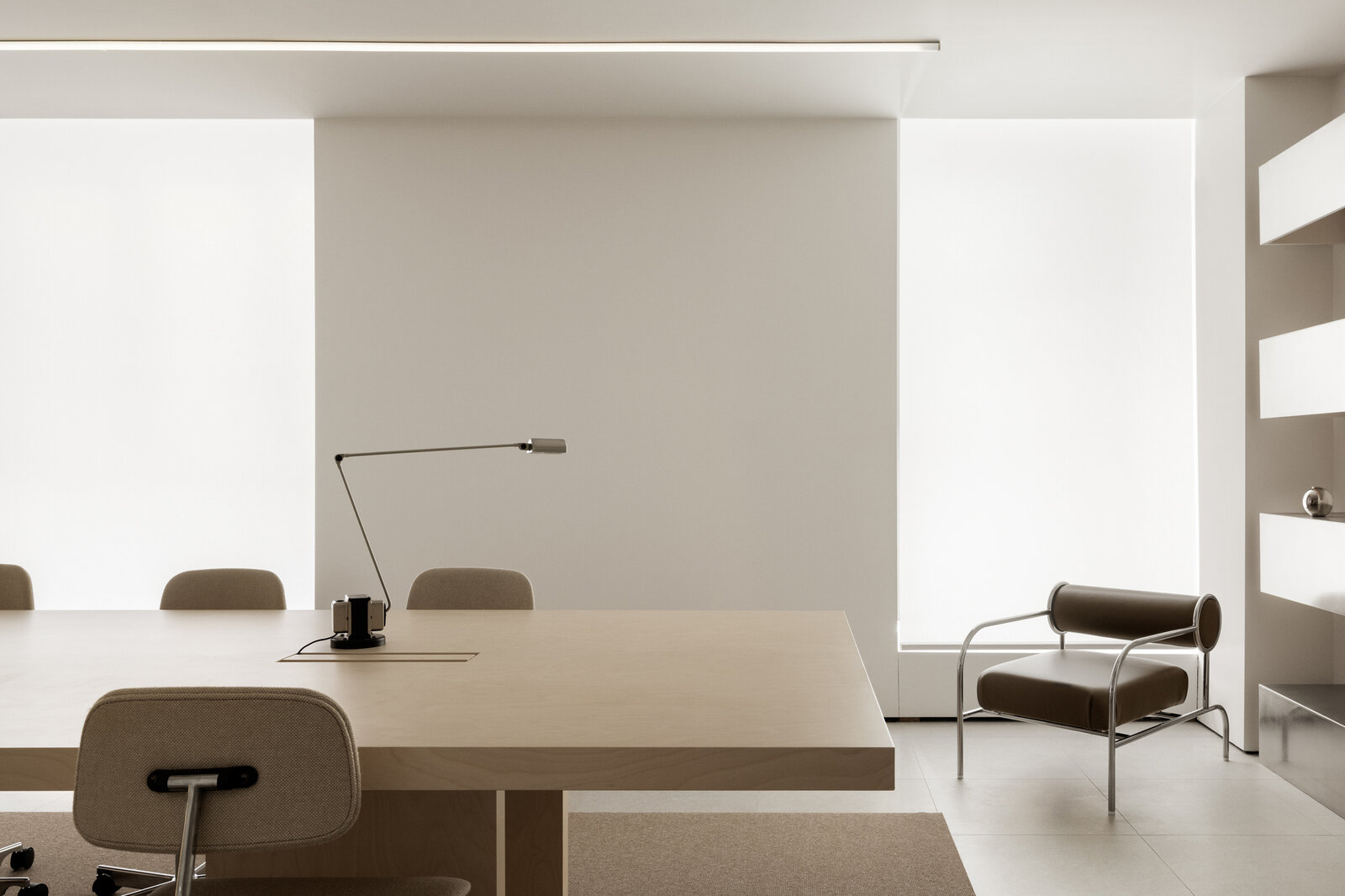
DK: Materials are what separate a minimalist space from one that just feels empty. That said, an ”empty” space can still be beautiful if it’s designed properly. For me, materials are what give a space depth and character. I often like to work with them in focused ways, sometimes using one single material throughout a room or repeating a certain texture or finish across different elements to tie everything together. In the end, it comes back to a clear sense of control and logic. That is what allows a space to feel intentional rather than stripped back.

Bolon: Do you think minimalism in design, architecture and fashion will endure?

DK: It will endure. Like anything else, it will change, evolve and take on different forms aesthetically, but the core idea will remain. A well-considered spatial experience, something that feels clear and intentional, isn’t really tied to a specific style. That’s why it will continue to work.

Discover the BKB collection
Beslektede historier